
When producing pasta commercially, achieving consistent shape, thickness, and size is essential for product quality. A pasta extruder machine plays an important role in this process by combining the prepared dough and forcing it through specially designed dies. The die design, dough consistency, extrusion pressure, cutting system, and machine settings work together to produce different pasta shapes and dimensions.
What Is a Pasta Extruder Machine?
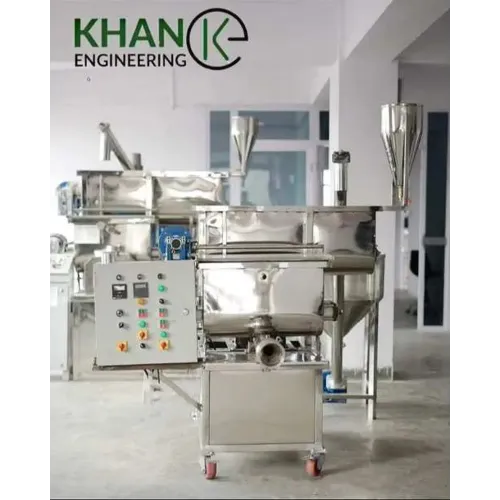
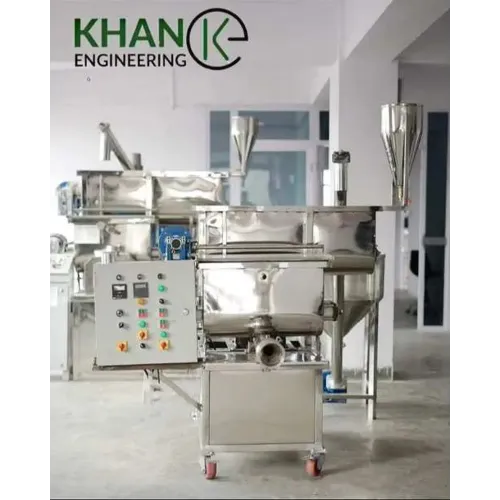
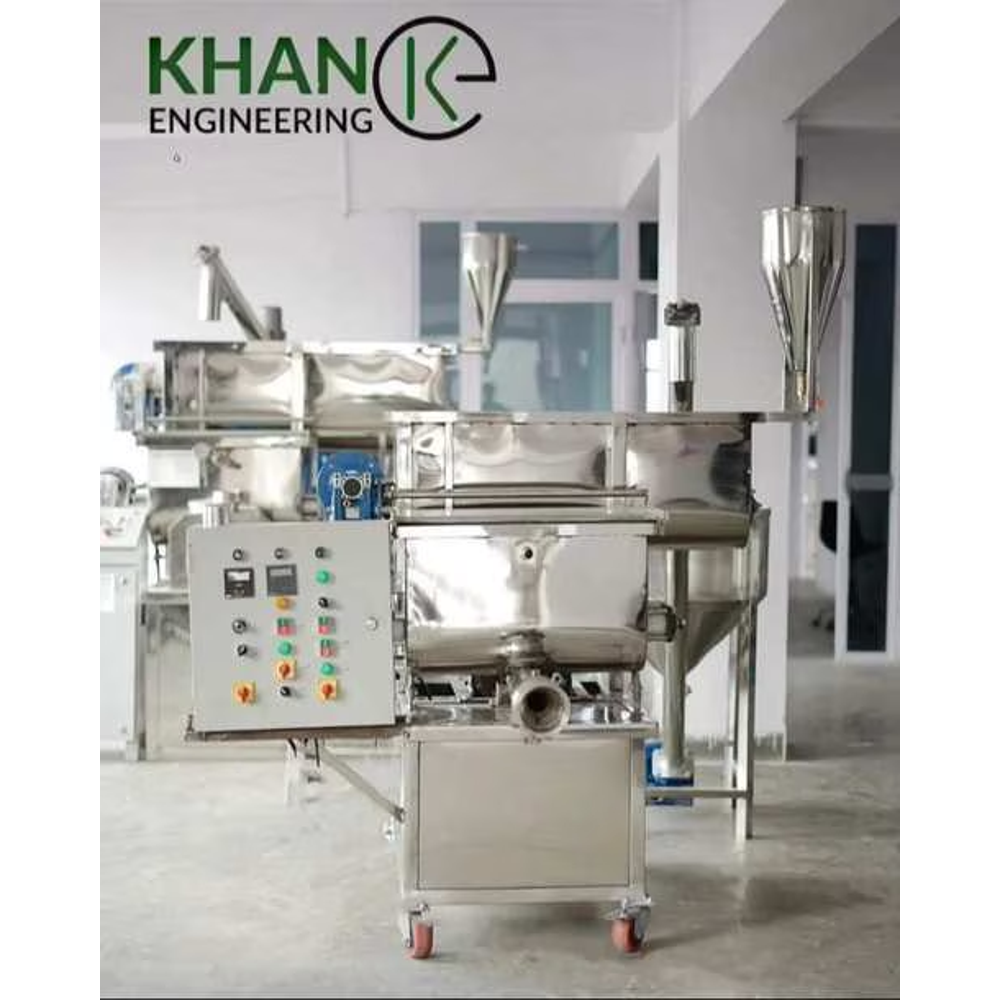
A pasta extruder machine is food-processing equipment designed to transform prepared pasta dough into continuous pasta strands or specific shapes. During operation, the dough is fed into the extrusion chamber, where an extrusion screw pushes it toward a forming die. As the dough passes through the die openings, it takes the required shape.
Depending on the production requirement, an extruder can be configured for products such as macaroni, penne, spaghetti, fusilli and other pasta varieties.
How Does the Machine Control Pasta Shape?
The pasta die is one of the most important components for controlling the final shape. The openings in the die determine the profile of the pasta as the dough exits the machine. Different die designs can therefore be used to manufacture different pasta shapes.
For example, a round die opening can be used for spaghetti-type products, while specially engineered die openings can create tubular or shaped products such as macaroni and penne. For more complex shapes, the geometry of the die and the cutting arrangement becomes particularly important.
This means that changing the die can allow the same basic extrusion system to manufacture multiple pasta varieties, depending on the machine configuration and product requirements.
How Is Pasta Size Controlled?
Pasta size is influenced by several factors rather than only the die opening. The diameter and geometry of the die, extrusion rate, dough formulation, cutting speed and operating parameters all affect the final dimensions.
For short-cut pasta, an integrated or compatible cutting mechanism determines the length of the pieces after extrusion. Adjusting the cutting speed and extrusion conditions can help achieve the required product length and consistency.
For long pasta products, the extrusion and downstream handling system must maintain consistent dimensions while the product is formed and transferred for further processing.
Why Dough Consistency Matters
Even an advanced pasta extruder cannot produce consistent pasta if the dough entering the machine is not properly prepared. Moisture level, flour quality, mixing and dough temperature can influence extrusion behaviour.
A consistent dough formulation helps maintain stable extrusion pressure and reduces variations in the finished pasta. For commercial production, maintaining repeatable raw-material and processing conditions is therefore important for achieving uniform results.
How Does Extrusion Pressure Affect Pasta Quality?
Extrusion pressure influences how smoothly the dough passes through the die. Stable operating conditions can help produce pasta with more consistent dimensions and surface characteristics.
Excessive variation in pressure may contribute to irregular extrusion, while unsuitable processing conditions can affect the appearance and texture of the finished product. Proper machine configuration and controlled production parameters are therefore important when manufacturing pasta at commercial scale.
Can One Pasta Extruder Produce Multiple Shapes?
Yes, a suitably configured pasta extruder can be used for multiple pasta shapes when compatible dies and forming or cutting systems are available. Manufacturers can select die configurations according to the products they intend to produce.
For a business producing several pasta varieties, this flexibility can make the production setup more versatile. However, the exact range of shapes depends on the machine design, die compatibility, capacity and other production-line components.
What Should You Consider When Choosing a Pasta Extruder?
The right machine should be selected according to the required production capacity, pasta varieties, automation level, raw-material formulation, available installation space and future expansion plans.
Businesses should also consider the construction quality of food-contact components, ease of cleaning, die-change requirements, control systems and compatibility with downstream equipment such as pasta cutters and drying systems.
Why Choose Khan Engineering India for Pasta Machinery?
Khan Engineering India provides pasta processing machinery designed for commercial and industrial food production requirements. The company can support buyers looking for pasta extruder machines and complete pasta production solutions based on their desired capacity and product range.
A properly selected extrusion system can help manufacturers maintain consistent pasta dimensions, improve production efficiency and support the manufacture of multiple