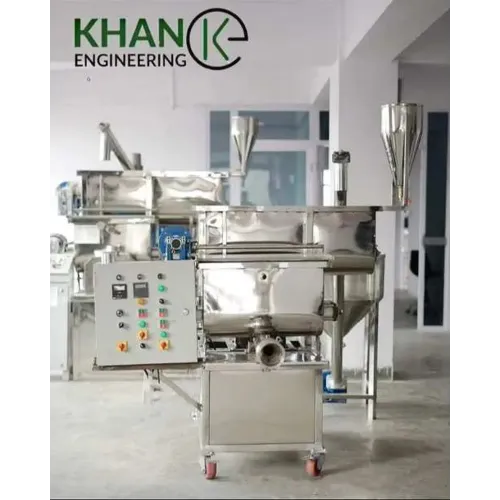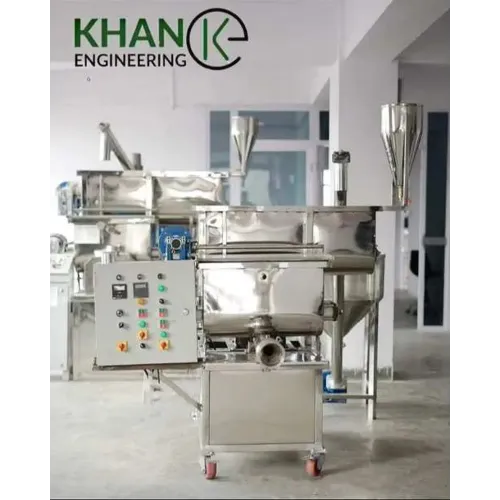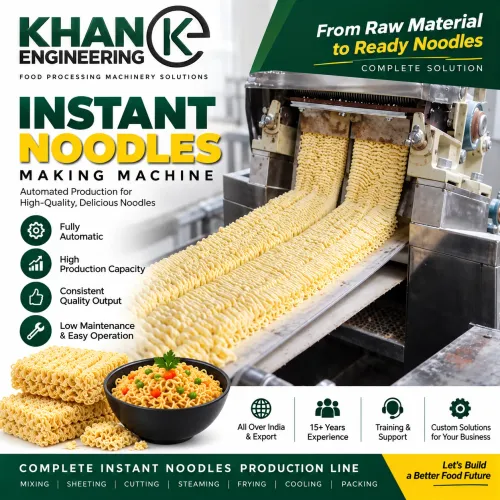

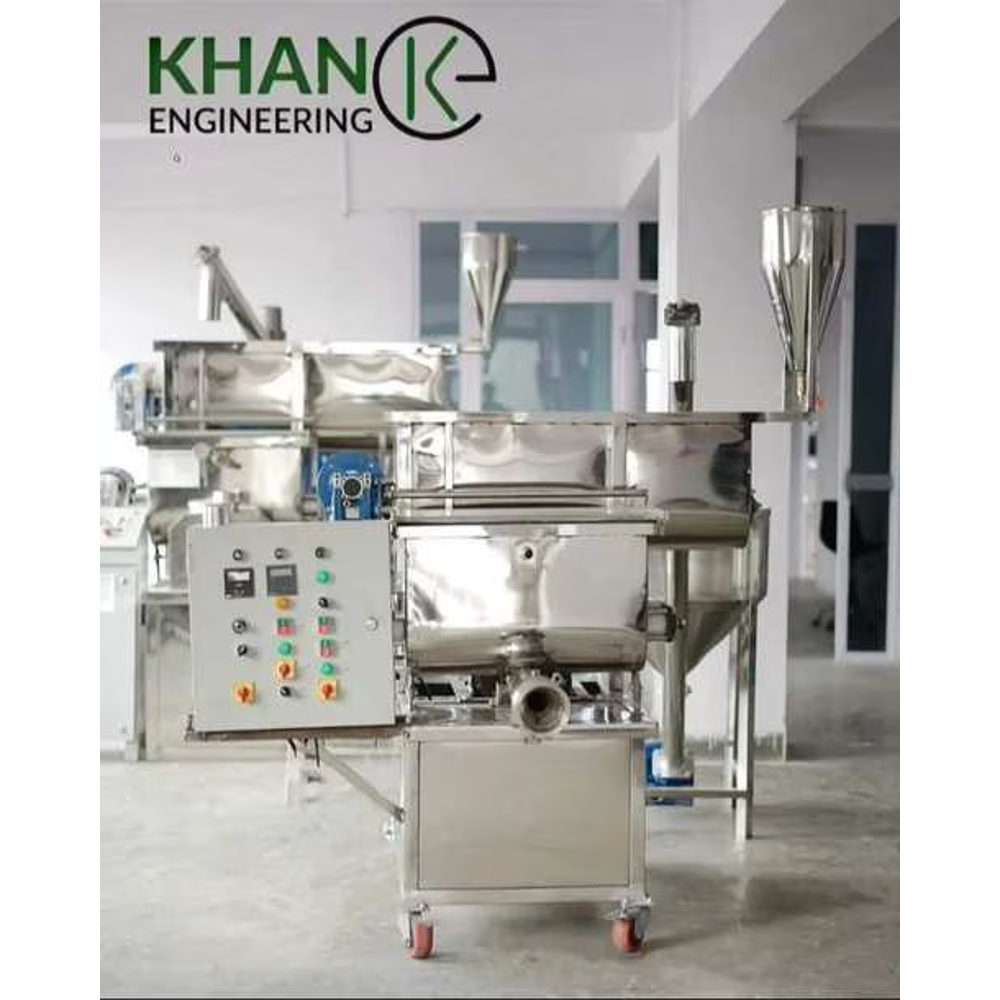
A complete automatic pasta production line is an integrated food-processing system designed to convert raw ingredients such as durum wheat semolina and water into finished pasta products with minimal manual intervention. From mixing and dough preparation to extrusion, cutting, drying and packing, each stage works together to maintain consistent production, shape, texture and quality. For food manufacturers planning commercial pasta production, selecting the right automatic pasta production line can improve productivity while reducing repetitive manual operations.
What Is an Automatic Pasta Production Line?
An automatic pasta production line combines multiple machines and processing stages into one coordinated production system. Instead of handling every operation separately, manufacturers can connect dough mixing, pasta extrusion, shaping, cutting, drying and other processes according to their production requirements.
The exact configuration depends on the type of pasta being manufactured, required production capacity, available space, product specifications and level of automation. A line can be designed for products such as macaroni, penne, spaghetti and other extruded pasta shapes.
How Does the Pasta Production Process Work?
The process generally begins with ingredient preparation. Semolina or suitable flour is accurately combined with water according to the required formulation. Proper ingredient proportions are important because dough consistency directly affects extrusion performance and the final characteristics of the pasta.
The prepared ingredients then enter the dough mixing stage. An industrial pasta mixer helps create a uniform dough by combining the ingredients under controlled conditions. The objective is to achieve a consistent mixture suitable for further processing.
After mixing, the dough moves toward the pasta extrusion system. The pasta extruder applies controlled pressure to push the dough through specially designed dies. The die determines the basic profile and shape of the pasta. Different dies can be used to manufacture products such as macaroni, penne, spaghetti and other pasta varieties.
Once the pasta emerges from the die, it is cut or sized according to the product requirements. Cutting and shaping need to remain consistent so that the finished pasta has uniform dimensions and appearance.
What Happens After Pasta Extrusion?
Freshly extruded pasta contains considerable moisture and normally needs controlled drying before it can be packed for storage and distribution. Pasta dryers remove moisture under controlled temperature and airflow conditions.
Drying is one of the most important stages because improper drying can affect pasta texture, appearance and shelf stability. A properly configured drying system helps manufacturers achieve more consistent results across production batches.
After drying and quality inspection, the finished pasta can move to the packaging stage. Depending on the plant configuration, automated packing equipment can weigh, fill and seal the required quantity into suitable packaging.
What Machines Are Used in a Complete Pasta Production Line?
A complete automatic pasta production setup can include several interconnected machines. The configuration may include a flour or semolina handling system, automatic weighing equipment, dough mixer, vacuum or conventional pasta extruder, pasta dies, cutting equipment, conveyors, pre-drying equipment, pasta dryer, cooling system and packaging machinery.
The exact machinery required depends on whether the manufacturer is producing short-cut pasta, long pasta or multiple pasta varieties. Production capacity is another major factor when selecting individual machines and designing the complete line.
Can One Production Line Make Different Pasta Shapes?
Yes, an appropriately designed pasta extrusion system can be configured for different pasta shapes by using suitable dies and corresponding cutting or shaping arrangements. However, the ability to manufacture multiple products efficiently depends on the extruder design, die configuration, cutting system and production requirements.
Manufacturers planning to produce several pasta varieties should discuss their product range with the machine manufacturer before finalizing the production line. This helps ensure that the selected equipment is suitable for the intended products.
Why Choose an Automatic Pasta Production Line?
Automation can provide greater consistency throughout the production process. It can also reduce repetitive manual handling and help manufacturers maintain a more organized production workflow.
For commercial manufacturers, automation can be particularly useful when production volumes increase. A properly designed line allows different processing stages to work together, helping reduce unnecessary material movement between machines.
An automatic system can also make production planning easier because manufacturers can select equipment accord