
What Equipment Is Needed for a Pasta Manufacturing Plant?
The core equipment in a commercial pasta plant is generally built around a pasta production line. The exact configuration can vary according to the product and capacity, but the production system needs to move raw ingredients through each stage in a controlled and efficient manner.
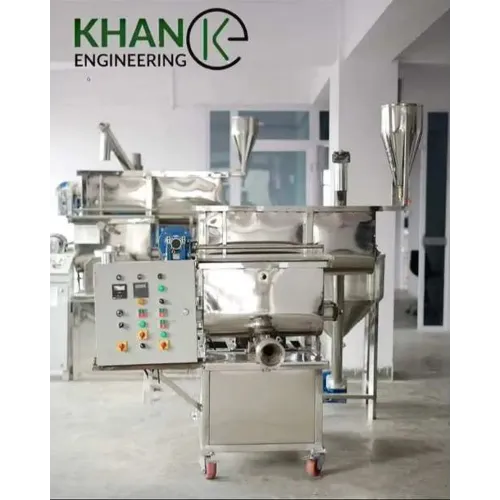
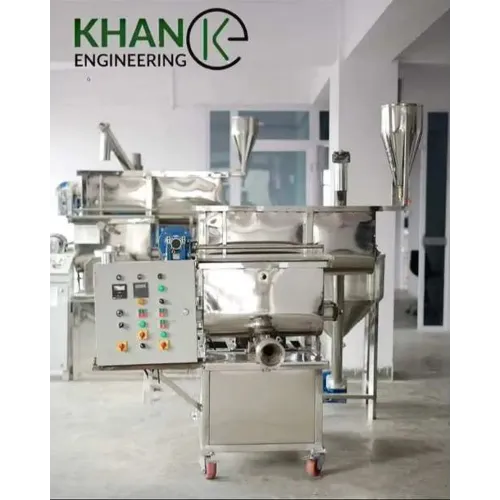
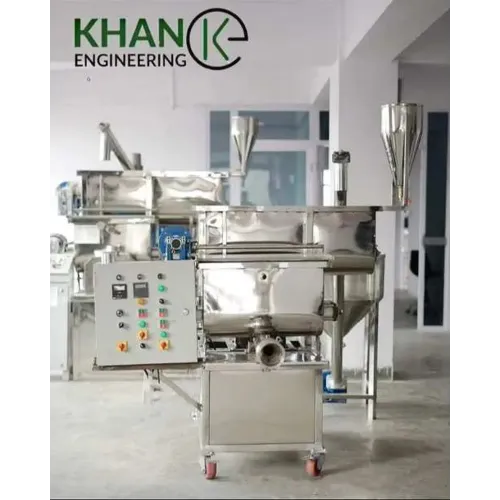
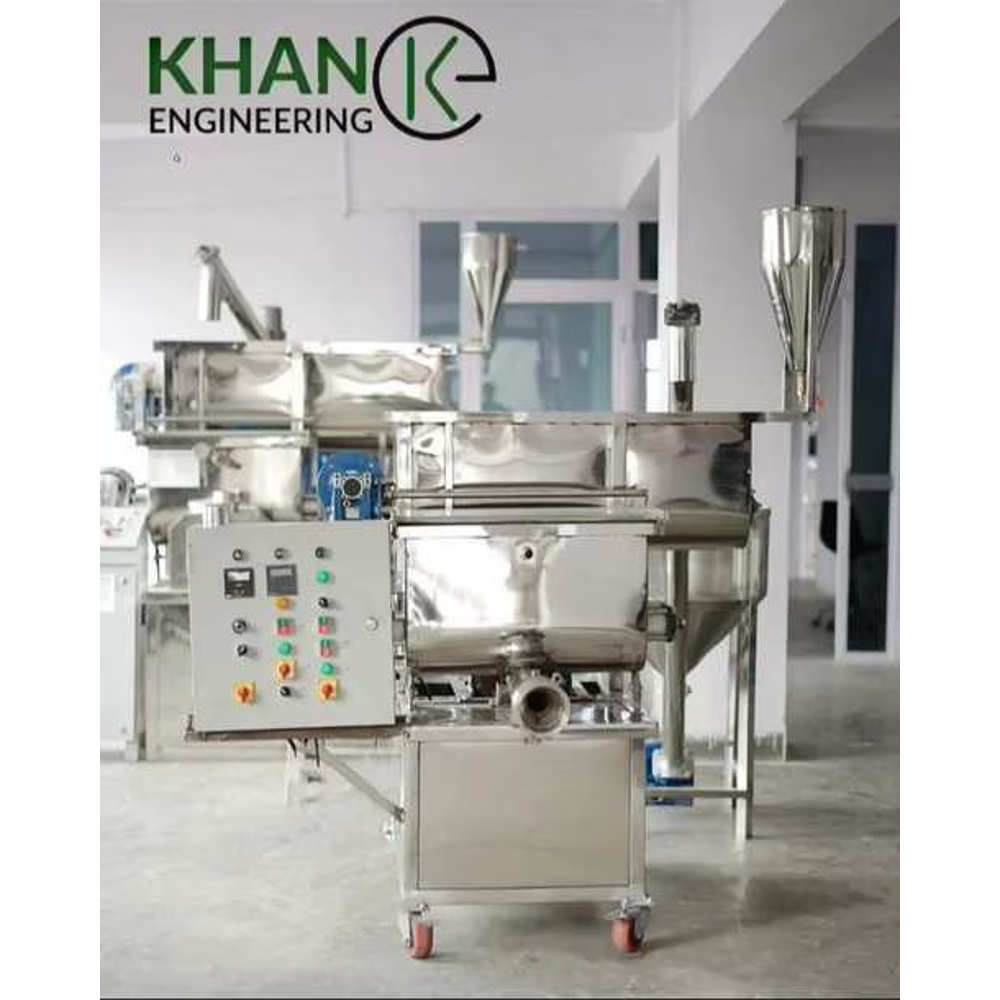
A pasta mixer is used to combine the required ingredients and prepare the mixture for further processing. Proper mixing is important because the consistency of the mixture can influence the extrusion process and the final characteristics of the pasta.
The prepared mixture is then transferred to a pasta extruder machine. The extruder is one of the key machines in a commercial pasta manufacturing plant because it processes the prepared material through specially designed dies. Different dies can be used to produce different shapes and sizes of pasta, including macaroni, penne, fusilli and other varieties.
Pasta Dies for Different Shapes
Pasta dies play an important role in determining the shape and dimensions of the finished product. Manufacturers producing multiple pasta varieties may require different dies for different products. A suitable die configuration allows a production plant to expand its product range without necessarily changing the entire production system.
For manufacturers targeting retail and food-service markets, the ability to produce different pasta shapes can provide greater flexibility when developing product lines.
Cutting and Shaping Equipment
After extrusion, pasta needs to be cut or shaped according to the required product specifications. Cutting equipment helps maintain consistent product dimensions and supports continuous production. The exact cutting arrangement depends on the type of pasta being manufactured and the production line configuration.
For products such as short-cut pasta, accurate cutting is particularly important for maintaining consistent length and appearance across batches.
Pasta Drying System
Drying is another important stage of commercial pasta production. Freshly formed pasta contains moisture and generally requires controlled drying before it can be packaged and stored.
An industrial pasta drying system is designed to control the drying process according to the product and production requirements. Proper drying can help manufacturers achieve the desired final moisture level and improve handling and storage characteristics.
Cooling and Handling Equipment
After drying, the pasta may require cooling before packaging. Industrial cooling and handling arrangements help prepare the product for subsequent processing while reducing unnecessary manual handling.
Material movement between different production stages should also be planned carefully. Conveyors, storage arrangements, and handling systems can help create a smoother workflow inside the manufacturing facility.
Pasta Packaging Machine
Once the pasta has completed the production process, it needs to be packed according to the intended market. Packaging equipment can be integrated into the production setup depending on the required pack sizes, packaging material, production volume, and automation level.
A properly planned packaging section can help manufacturers maintain consistent pack quantities and improve production efficiency, particularly when handling high-volume orders.
How to Choose Equipment According to Production Capacity?
The required equipment should be selected according to the plant's expected production volume rather than choosing individual machines independently. A small commercial operation may require a relatively compact production setup, while a large manufacturing facility may need an integrated automatic pasta production line.
Manufacturers should consider current demand as well as potential future expansion. Choosing machinery with an appropriate capacity can help prevent production bottlenecks while allowing the plant to operate efficiently as order volumes increase.
What Other Factors Should Be Considered?
Factory space, electrical requirements, raw material availability, labour requirements, product variety, maintenance requirements, and automation level should be evaluated before finalizing the machinery. The layout of the plant should also allow materials to move logically from one production stage to another.
Technical support and availability of spare parts are additional considerations when investing in commercial food-processing machinery. Working with an experienced pasta production machine manufacturer in India can help businesses select equipment that matches their specific manufacturing requirements.
Why Choose Khan Engineering for Pasta Manufacturing Machinery?
Khan Engineering provides machinery solutions for businesses looking to establish or expand commercial pasta manufacturing operations. The equipment configuration can be planned according to production requirements, pasta varieties, and the desired level of