Learn how to set up a profitable pasta production plant with the right machinery, investment, raw materials, production process, and expert guidance from Khan Engineering.
Complete Guide to Setting Up a Pasta Production Plant
The demand for packaged pasta continues to grow across India and international markets as consumers seek convenient, nutritious, and ready-to-cook food products. Establishing a pasta production plant offers an excellent business opportunity for entrepreneurs, food processing companies, and exporters. However, success depends on selecting the right production line, maintaining product quality, and investing in reliable manufacturing equipment.
Khan Engineering specializes in manufacturing advanced pasta production machinery designed to deliver high productivity, consistent quality, and long-term operational efficiency. Whether you are planning a small-scale production unit or a fully automated industrial plant, choosing the right machinery and production process is the key to building a profitable business.
Understanding the Pasta Manufacturing Process
A modern pasta production plant follows a systematic manufacturing process that ensures consistent product quality and high production efficiency. The production begins with the careful selection of premium-quality wheat flour or semolina. The raw materials are mixed with water in a controlled environment to achieve the ideal dough consistency. The prepared dough is then processed through an advanced pasta extruder where different dies shape the pasta into products such as macaroni, penne, fusilli, spaghetti, shells, or other customized varieties.
After shaping, the pasta moves through a drying system that carefully removes moisture while preserving texture and nutritional value. Once properly dried, the product is cooled, inspected for quality, and transferred to the packaging section where automated machines ensure hygienic sealing and attractive packaging for retail or bulk distribution.
Machinery Required for a Complete Pasta Production Plant
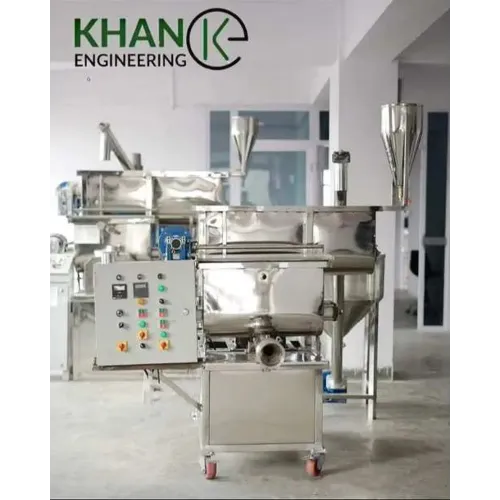
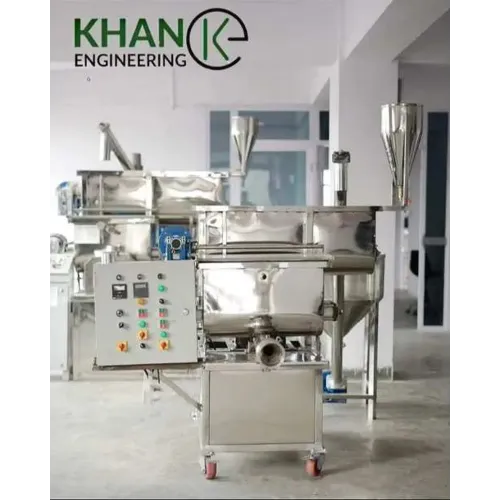
A fully integrated pasta production plant consists of several specialized machines that work together to create a smooth manufacturing process. These typically include flour mixing equipment, dough preparation systems, automatic pasta extruders, cutting units, drying chambers, cooling conveyors, inspection systems, packaging machines, and control panels. Each machine plays an important role in maintaining production speed, product consistency, and operational efficiency.
Selecting high-quality equipment manufactured with food-grade stainless steel helps improve hygiene standards, reduces maintenance requirements, and increases machine life.
Choosing the Right Production Capacity
Production capacity should always match your business objectives and market demand. Entrepreneurs supplying regional markets may begin with medium-capacity production lines, while exporters and large food brands often invest in high-capacity fully automatic plants capable of continuous production.
Before selecting a machine, evaluate expected sales volume, available factory space, electricity requirements, workforce availability, and future expansion plans. Choosing scalable equipment allows businesses to increase production without replacing the complete manufacturing line.
Raw Materials Used in Pasta Manufacturing
The quality of finished pasta depends greatly on the ingredients used during production. Durum wheat semolina remains the preferred raw material because of its excellent gluten strength and cooking performance. Depending on the product category, manufacturers may also use refined wheat flour, whole wheat flour, rice flour, vegetable powders, spinach powder, tomato powder, or other nutritional ingredients to create specialty pasta products.
Using high-quality raw materials improves texture, shelf life, customer satisfaction, and overall product value.
Factory Infrastructure Requirements
Setting up a pasta production plant requires careful planning of factory infrastructure. The production facility should provide adequate space for raw material storage, processing, drying, packaging, finished goods storage, and quality inspection. Proper ventilation, water supply, drainage, electrical systems, and sanitation facilities contribute to efficient operations and compliance with food safety regulations.
A well-designed production layout minimizes material handling, improves workflow, and enhances overall productivity.
Quality Control and Food Safety
Maintaining strict quality standards is essential for building customer trust and ensuring regulatory compliance. Every stage of production should be monitored to maintain dough consistency, drying temperature, moisture content, product dimensions, and packaging quality.
Manufacturers should follow Good Manufacturing Practices (GMP), maintain hygienic production environments, and implement quality inspection procedures throughout the manufacturing proc

Noida
08048034350
+919268742208
 Chat with us
 Chat with us