
Pasta and Macaroni Making Machines: Complete Guide to Choosing the Right Production Line
The demand for convenient and ready-to-cook food products has created opportunities for businesses in the pasta and macaroni manufacturing industry. From small food-processing units to large-scale factories, choosing the right pasta and macaroni making machine is an important step toward building an efficient production business.
Khan Engineering and Food Processing Machine provides industrial food-processing machinery designed to support pasta and macaroni production. With suitable machine configurations, manufacturers can produce different pasta shapes, improve production consistency, and streamline their manufacturing operations.
If you are planning to start a pasta manufacturing business or upgrade an existing production facility, understanding the machinery, production process, capacity, and important selection factors can help you make an informed investment.
What Is a Pasta and Macaroni Making Machine?
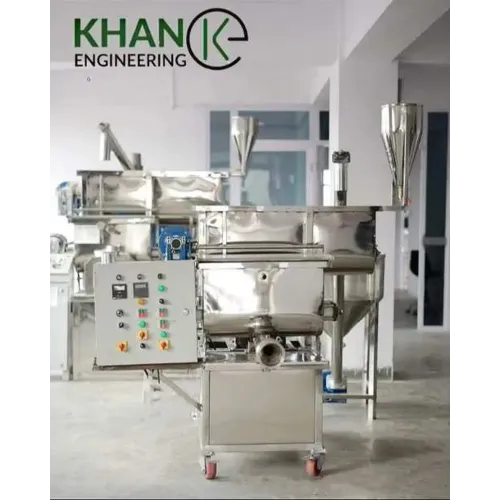
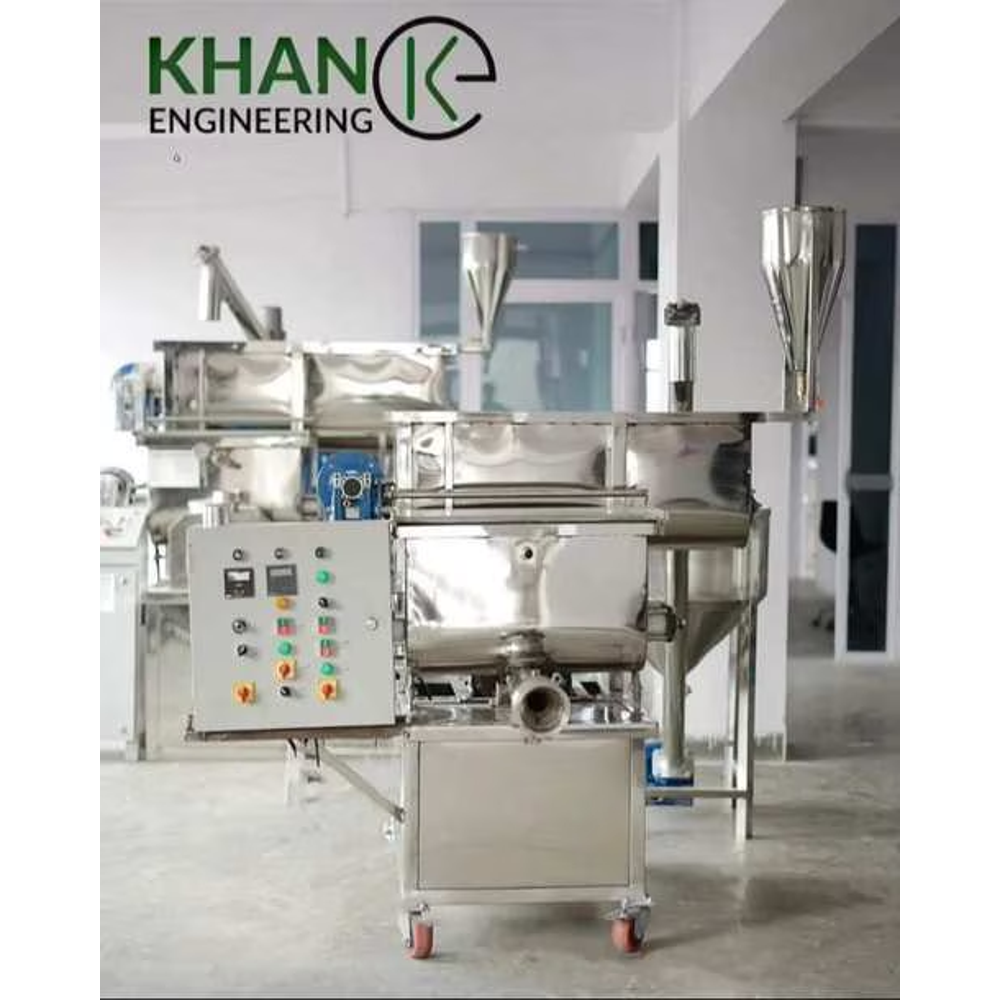
A pasta and macaroni making machine is industrial food-processing equipment used to mix ingredients, form dough, and shape pasta products into different sizes and designs. Depending on the configuration, the production line may also include a drying system, cooling equipment, conveyors, and automatic packaging machinery.
These machines are commonly used by food manufacturers, pasta brands, wholesalers, and commercial food-processing businesses.
With suitable dies and machine settings, manufacturers can produce products such as:
Macaroni
Penne pasta
Fusilli pasta
Shell pasta
Spaghetti
Other short-cut and long-cut pasta varieties, depending on the machine configuration
Selecting the appropriate machine depends on the required product shapes, production capacity, automation level, and available factory space.
How Does a Pasta and Macaroni Manufacturing Machine Work?
A typical dry pasta production line follows several important stages to transform raw ingredients into finished, packaged products.
1. Raw Material Preparation
The process begins with selecting suitable raw materials, such as semolina or wheat flour, according to the desired product specifications. Ingredient quality and consistency influence the texture, appearance, and processing characteristics of the finished pasta.
2. Dough Mixing
The ingredients are mixed with a controlled quantity of water to achieve a suitable dough consistency. Proper mixing helps maintain uniformity during extrusion and supports consistent product quality.
3. Pasta Extrusion and Shaping
The prepared dough passes through an extrusion system and a specially designed die. The die determines the shape and dimensions of the pasta.
By using compatible dies, manufacturers can produce different varieties, including macaroni, penne, fusilli, and other pasta shapes.
4. Cutting and Forming
For short pasta products, a cutting mechanism separates the extruded material into the required lengths. Long pasta products, such as spaghetti, require a suitable handling and cutting arrangement.
5. Drying and Cooling
For shelf-stable dry pasta, controlled drying reduces moisture to the required level. The drying process must be matched to the pasta shape, formulation, and production line to help prevent cracking and maintain product quality.
The pasta is then cooled appropriately before packaging.
6. Packaging
The finished pasta is transferred to a suitable packing machine, where it is weighed and packed into the required pouch or package format. Proper packaging helps protect the product from moisture and contamination during storage and distribution.
The exact equipment arrangement depends on whether the manufacturer intends to produce fresh pasta, dried pasta, or a particular specialty product.
Types of Pasta and Macaroni Making Machines
Different businesses require different machine configurations. Understanding the available options helps manufacturers choose equipment suited to their production goals.
Automatic Pasta Making Machine
An automatic pasta making machine is suitable for businesses seeking a more streamlined production process. Depending on the configuration, automation can support ingredient handling, mixing, extrusion, cutting, and integration with downstream equipment.
It is worth considering for established food manufacturers and businesses planning to increase production volumes.
Macaroni Making Machine
A macaroni making machine is designed to produce macaroni and other compatible short pasta shapes using suitable extrusion dies and cutting arrangements.
It can be incorporated into a production line with mixing, drying, and packaging equipment, depending on the manufacturer's requirements.
Spaghetti Making Machine
A spaghetti making machine produces long, thin pasta strands. The line may include extrusion, strand handling, cutting, and controlled drying equipment.
Manufacturers should check the required strand dimensions, production capacity, drying arrangement, and automation.