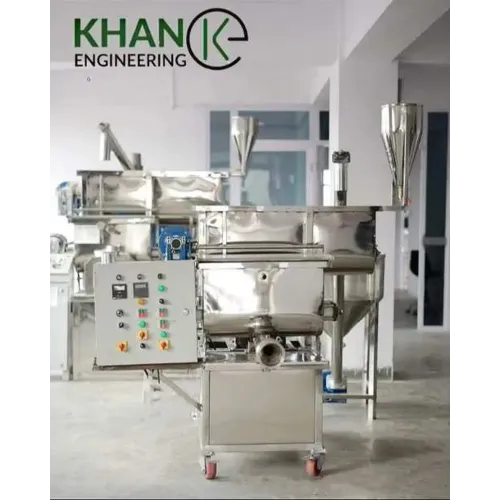

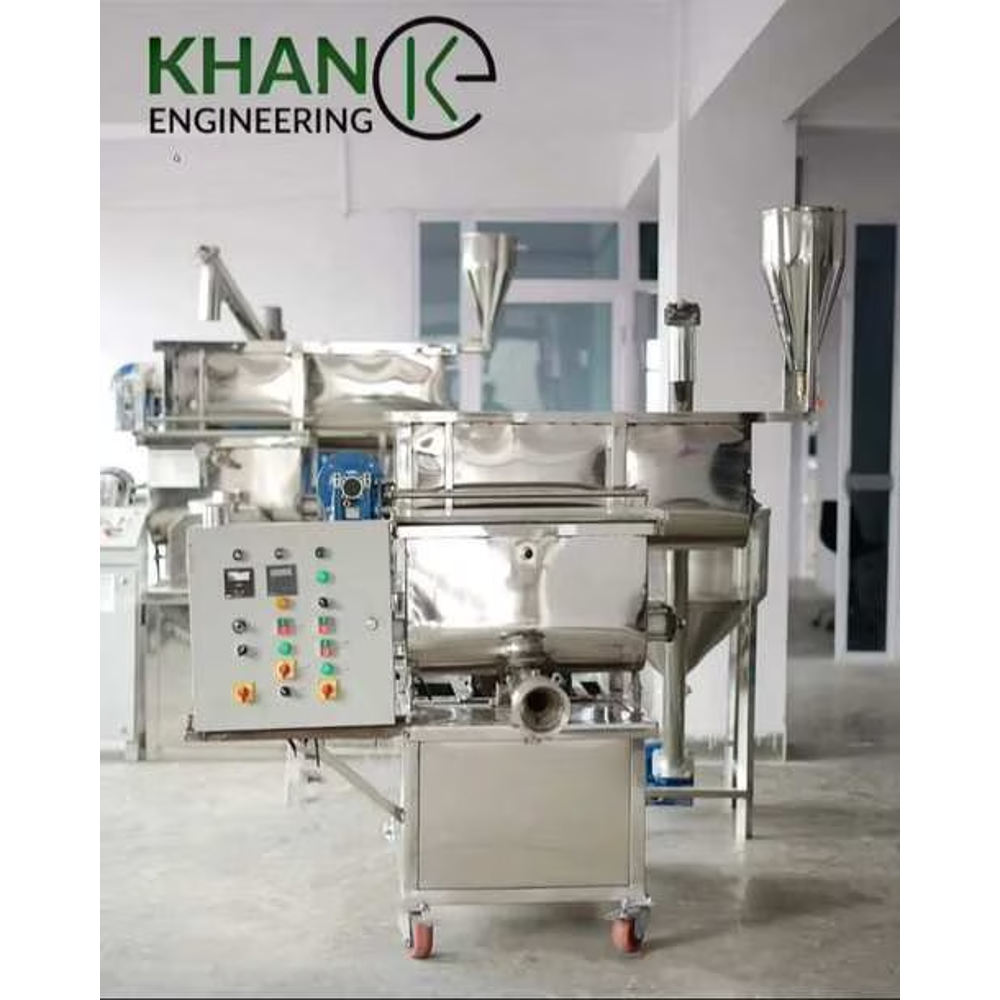
Setting up a pasta manufacturing plant requires more than selecting a pasta-making machine. Businesses need a well-planned production system that supports consistent product quality, efficient processing, controlled drying, and reliable packaging. Choosing the right complete pasta manufacturing plant supplier in India helps entrepreneurs and established food manufacturers build a production facility suited to their business objectives.
Khan Engineering provides food-processing machinery solutions for businesses exploring commercial pasta and macaroni production. From selecting suitable extrusion equipment to planning the associated processing stages, the right machinery configuration can help manufacturers establish a production workflow aligned with their target capacity, product range, and available infrastructure.
Complete Pasta Manufacturing Plant for Commercial Food Production
A complete pasta manufacturing plant brings together the equipment required to transform suitable raw materials into finished pasta products. Depending on the production process, the plant may include raw material handling, mixing, dough preparation, extrusion, shaping, cutting, drying, cooling, and packaging equipment.
The exact configuration depends on whether the manufacturer plans to produce macaroni, penne, fusilli, spaghetti, or other pasta varieties. Different products may require specific extrusion dies, cutting arrangements, drying conditions, and handling systems.
For businesses planning a new food-processing facility, selecting compatible machinery from the beginning can simplify production planning and help avoid unnecessary equipment changes during installation.
Why Choose the Right Pasta Production Line Manufacturer?
The machinery supplier plays an important role in determining how effectively a new manufacturing facility can be planned and commissioned. Buyers should evaluate the supplier's technical knowledge, machine specifications, equipment compatibility, installation arrangements, and after-sales support before finalizing their investment.
A suitable production line should match the intended product range and expected output rather than simply offering the highest advertised capacity. Manufacturers should also consider power requirements, factory layout, workforce availability, maintenance access, and the space needed for raw materials and finished products.
Khan Engineering serves businesses looking for pasta and food-processing machinery solutions. Prospective buyers can discuss their production requirements to identify equipment suitable for their proposed manufacturing setup.
Types of Pasta That Can Be Produced
The right machine configuration and extrusion dies can support the production of multiple pasta shapes. Common commercial varieties include macaroni, penne, fusilli, shell pasta, spaghetti, and other short-cut or long-cut products, depending on the equipment selected.
Offering multiple pasta varieties can help manufacturers serve different retail, wholesale, institutional, and food-service customers. However, buyers should confirm which products can be produced on the proposed line and whether changing between shapes requires additional dies, adjustments, or accessories.
Before purchasing machinery, prepare a list of the products you intend to manufacture. This allows the supplier to recommend a practical configuration based on your production goals.
Essential Equipment for a Pasta Manufacturing Plant
A commercial pasta production facility may require several processing stages. Mixing equipment prepares the dough, while an extrusion machine shapes it through the appropriate die. Cutting arrangements create the required product lengths, and drying equipment helps achieve the moisture level needed for the intended finished product.
Cooling and handling systems may be required before the pasta reaches the packaging stage. Depending on the plant design, automatic packing machinery can help prepare finished products for storage and distribution.
Not every manufacturing unit needs the same equipment combination. A supplier should establish the required machinery scope after understanding the product range, production capacity, available utilities, and desired level of automation.
How to Select the Right Production Capacity
Production capacity should be selected according to expected sales, available investment, and the planned operating schedule. A smaller unit may be appropriate for a new manufacturer entering regional markets, while a higher-capacity plant may better suit an established business supplying multiple distributors.
Buyers should ask whether the quoted capacity represents rated machine output or expected finished-product output under actual operating conditions. Product shape, formulation, operating parameters, drying requirements, and production stoppages can affect the quantity of saleable pasta produced.
It is also important to evaluate the entire line. An extruder wi